|
|||||||||||
 |
|||||||||||
 |
|||||||||||
How to Use Por and Para
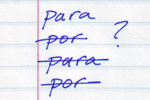 How do you say “for”? Learning Spanish would be a lot easier if it were simply a matter of translating word for word. But as you’ve doubtless seen already there are many instances where it’s much more complicated than that. Often one word in English could be translated two different ways in Spanish (ser and estar for example) and vice versa. Spanish prepositions are a trouble spot as many of them have two or more meanings in English. Perhaps the most notorious Spanish prepositions are por and para. They can both mean “for” and it’s not easy to know which one to use. Additionally, as you will see, they can both have other translations. Por and para can be difficult, but it’s also important to learn the proper usage of each word. Para is used less often and has fewer rules to learn, so we’ll start there. When to Use ParaGenerally speaking para is the more specific of the two prepositions and is often used with destinations, gifts, deadlines, purposes, and opinions. Specific LocationPara is used to identify a specific location or destination: Nos vamos para Madrid. Caminó para la playa. ¿Para dónde vas? Gift / BenefitPara is used to identify the recipient of a gift or express that something is for someone’s benefit: Compraron el libro para
Raúl. Benito jugó para Ricardo. Trabajaba para Juana. El concierto fue para los granjeros. DeadlinePara is used to express a specific time frame or deadline: La tarea para jueves es leer capítulo tres. Necesitamos tu respuesta para el viernes. OpinionPara is used to express someone’s opinion or judgment: Para mí el fútbol es el mejor deporte. La clase de francés es fácil para ella. Purpose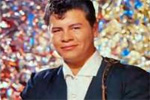 “Para bailar La Bamba se necesita una poca de gracia.” Para is used to express a purpose, a use, or a goal. When coupled with an infinitive para means Es una caja para joyas. Fue al supermercado para comprar cigarrillos. ¿Para qué estudia tanto? Estudia para ser abogada. Other Uses of ParaNote: Don’t confuse the para conjugation of the verb parar (“to stop”) with the preposition. Para is used in incongruous descriptions (when something is different from what is expected): Es bajo para su edad. Para niña, habla bien. When used with estar, para means “to be about to” or “to be ready to”: Estamos para almorzar. Ahora está para escuchar. There is also a handful of para expressions: para entonces para que para siempre para variar That takes care of para, what about por? When to Use PorNote: Over the years the phrase “por a” became the modern para. Por occurs much more often in Spanish and has a bewildering variety of uses and translations. Por is the more general or vague of the two prepositions and it is often used with locations, exchanges, and times. Approximate LocationPor is used to express an approximate location or movement through, along, or around something: Estacioné mi coche por aquí. Paseábamos por Madrid. Caminaba por la playa. ExchangePor is used to express an exchange, a substitution, or a purchase: Compraron el libro por
Raúl. Benito jugó por Ricardo. Trabajé por Juana. Te doy $20 por esa gorra. ¿Cuánto pagaste por tu computadora? Approximate TimePor is used to express an approximate or indefinite time frame: Salgo por la mañana. Mirábamos la televisión por la noche. Duration of Time / DistanceNote: You may also use durante for times or distances: Sigue el camino durante tres millas. Por is used to express a duration of time or distance: ¿Caminaste por treinta minutos? Viví en España por tres meses. Sigue el camino por tres millas. Note: Por is used for duration of time but para siempre means “forever.” Cause “Por ti volaré por cielos y mares hasta tu amor…” Por is used to indicate the cause, motive, or reason for an action: No podemos practicar por la nieve. Recibió un castigo por llegar tarde. Fue al supermercado por cigarrillos. ¿Por qué estudia tanto? MannerPor is used to express manner or means of transportation or communication: Pablo viajaba por tren. Marta me llamó por teléfono. Eduardo le pidió por Snapchat. Other Uses of PorSee also: The Passive Voice Por is used with to express a cause or an agent of action in passive voice sentences: Las chozas fueron destruidas por el viento. 
“Vote for your future.” Por is used to express support or to mean “on behalf of”: ¡Voto por Manuel Rosales! Trabaja por la gente sin hogar. Por is used when expressing gratitude or regret: ¡Gracias por tu ayuda! Perdóneme por mis acciones. When used with estar, por means “to be in favor of” or inclined to do something: Estamos por almorzar. When used with an infinitive por indicates an uncompleted action or that something remains to be done: Hay mucho trabajo por hacer. Por is used with units of measurement: Compramos gasolina por galón. Por is used as the equivalent of the English word “per”: Ellas viajaban 100 millas por día. Por is used to signify multiplication: Tres por tres son nueve. Por is also used in dozens of expressions such as: por ciento por cierto por completo por ejemplo por eso por favor por fin por lo general por lo menos por lo tanto por lo visto por poco por suerte por supuesto por un lado por último Buscar, Esperar, Pedir, and PagarYou may be tempted to use either por or para after the verbs buscar (to look for), esperar (to wait for), or pedir (to ask for) but you shouldn’t. Remember that the “for” is built-in to each of these verbs so adding por or para would be redundant. Just add the direct object immediately after the verb instead: Busco un apartamento. Esperan el autobús. Me pidió un favor. Generally speaking, you don't need to add por (or para) after the verb pagar which is typically translated “to pay for”: ¿Pagaste la cena? But if you're emphasizing that one thing was exchanged for another, it is appropriate to include por: ¿Cuánto pagaste por la cena? ¡Pagué $250 por la cena! |
|||||||||||
 This work by Spanish411.net is licensed under a Creative Commons Attribution-NonCommercial-ShareAlike 4.0 International License. This work by Spanish411.net is licensed under a Creative Commons Attribution-NonCommercial-ShareAlike 4.0 International License. |



 Full Lesson
 At a Glance
 Presentation